


Home » A–Z » Technical information » German Studies
Technical information
German Studies
Overview
Contact person
This link takes you to a list of all the subjects that person supervises.
You can find the contact details of the relevant contact person here.
Library holdings and acquisitions
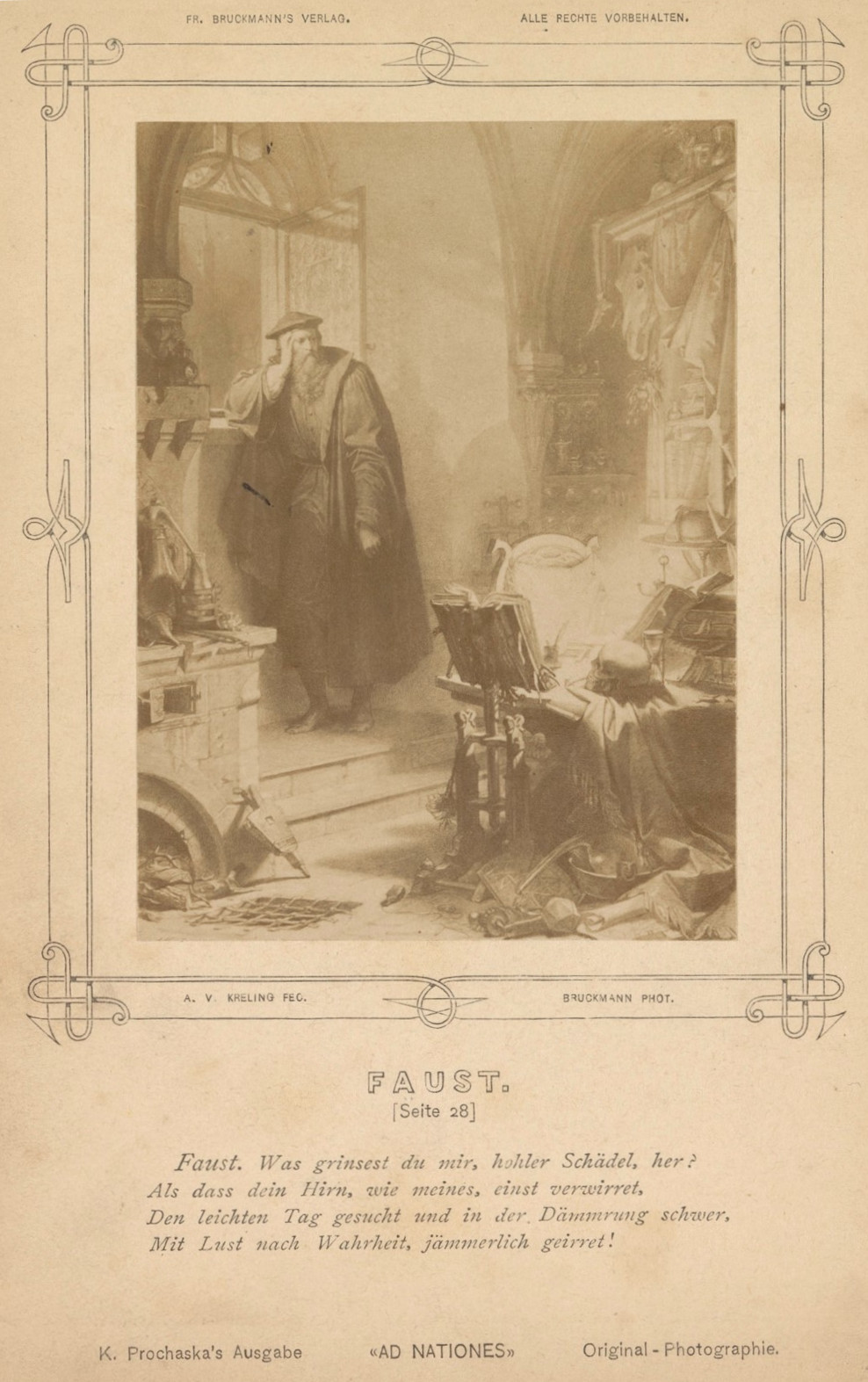
Owing to the institute’s long history, the collection for German studies research is very extensive and, in addition to printed and electronic literature, also includes a comprehensive collection of significant novels. The focus of the collection is aligned with the university’s teaching and research profile, and access to electronic content is being continuously expanded.
Find and Use
The collection of German literature is mainly housed in the Steintor Campus Branch Library compiled and made available electronically.
The list of titles incorporated up to 2014 follows an in-house classification system.
Titles acquired from 2015 onwards are arranged according to the Regensburg Classification System (RVK).
Consultancy and training services
Library induction sessions, training courses on research methods and reference management software (Citavi, EndNote and Zotero), as well as consultations on publication strategies and research data management, take place regularly and on request.
Collection of subject-related links
The specialist information service ‘Germanistik im Netz’ (GiN) provides a comprehensive catalogue of primary and secondary literature on linguistics and literary studies and, in addition to enabling users to search various data sources, also offers an overview of new publications each month.
You can find the electronically available journals in this subject area in the Electronic Journals Library (EZB).
There are numerous specialist databases available for researching information, which can be found in the Database Information System (DBIS).
Please remember that when carrying out research from outside the university network, you must VPN- Activate the connection.
History and Profile of the Subject
The Department of German Studies traces its origins back to the founding of the German Society at the University by Julius Zacher, a Germanist and university lecturer from Halle, in the mid-19th century; today, it covers the subject in all its breadth and diversity. In addition to teacher training, this includes, amongst other things, research into the history of the German language, literary studies, comparative literature, modern media linguistics and German as a foreign language.